


Mega + Minimal Medium Bundle — Build & Phenotype a Gut Microbiota Culture Collection | For 10L
- Product Code: GMNB-MEGAM01
- Availability: In Stock
Tags: Mega Medium, Minimal medium
Overview
- Building a personalised human gut-microbiota culture collection from stool, mucosal scrapings, or biopsy material — and you want the broadest single-broth taxon recovery available. (Goodman et al. 2011 PNAS reported that the GMM recipe underlying Mega Medium 1.0 recovered the majority of OTUs detected by 16S rRNA sequencing across multiple human donor stool samples; reported recovery rates vary by donor, sequencing depth, and downstream isolate-picking strategy — see the source paper for the exact donor-stratified figures.)
- Following Stage 1 culture-collection work with substrate-utilisation profiling, growth-factor-dependency screens, or gene-knockout phenotyping — and you need a defined-condition medium that shares the Mega ionic background, so phenotype differences are not confounded by a medium switch.
- Running a microbiome–drug-interaction screen where the isolate panel was built in Mega Medium and the phenotyping must be done in a defined matrix (Maier et al. 2018 Nature; Klünemann et al. 2021).
Both kits ship together because the workflows are inseparable — one without the other leaves the project incomplete.
Why one medium isn't enough. Mega Medium is rich by design — five carbohydrates, four SCFAs, hematin + menadione, full vitamin and trace-mineral mixes, resazurin redox indicator — so the broadest taxon set possible has a substrate it can use. The same richness, however, defeats single-variable phenotyping: you cannot ask "does this isolate use xylose?" or "does this knockout grow without vitamin B12?" when every isolate has access to ten substrates at once. Minimal Medium answers those questions on the same K-phosphate / Mg2+ / Ca2+ / Fe2+ / hematin / menadione / cysteine background, with no carbohydrates, no SCFAs, no peptone, only ammonium as N source. You add the one variable you want to test. Growth differences reflect substrate biology, not medium-switching artefacts. Manufactured as a pair from the same supplier lots, the bundle preserves that reproducibility — splitting it would not.
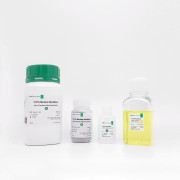
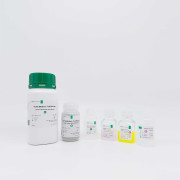
- Mega Medium kit (12 bottles): three pre-weighed dry mixtures (A — peptone / sugar / salt base; B — NaHCO3 + L-cysteine reducing pack; C — K-phosphate buffer salts) plus nine sterile liquid stocks (mixed SCFAs; vitamin supplement; trace mineral supplement; six individual amber vials for resazurin, Tween 80, CaCl2, vitamin K, FeSO4·7H2O, and Histidine-Hematin).
- Minimal Medium kit (4 additional bottles): one dry Mixture A_min (KH2PO4 + NaCl + (NH4)2SO4 + L-cysteine) plus three Minimal-specific stocks — Stock K_min (a second FeSO4·7H2O vial, because Stock K only holds 4 weeks once opened), Stock M_min (MgCl2 — sulfate-free Mg2+ for sulfate-utilisation studies), and Stock N_min (Vitamin B12 alone, for defined-vitamin growth tests where Mega's full Wolfe/Wolin Stock E is too complex).
- Shared stocks: Stocks I (CaCl2), J (Vitamin K, menadione in ethanol) and L (Histidine-Hematin) are shipped at 2× volume to serve both Mega and Minimal preparations from a single bottle each — within their open-bottle shelf lives.
Standard scales are 10 L of each medium (Mixture A ≈ 281 g, Mixture A_min ≈ 161 g) or 15 L of each (Mixture A ≈ 421 g, Mixture A_min ≈ 242 g). Total bundle bottle count is 16 at either scale.
We also have
YCFA Modified Medium · YCFA Full Recipe · BHI-S Supplemented Broth · Modified Chopped Meat Broth (ATCC 1490) · Gut Microbiota Medium (GMM) · M2GSC Medium · TPY Bifidobacterium Medium
Package Contents
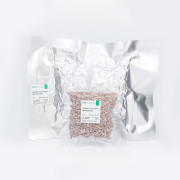
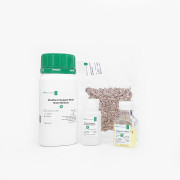
Each GMExpression Mega + Minimal Medium bundle ships as 16 pre-weighed and pre-sterilised bottles in a single box — 12 for the Mega Medium kit (three dry mixtures + nine sterile liquid stocks) and 4 additional bottles for the Minimal Medium kit. Stocks I, J and L (long open-bottle shelf life) are sized for both preparations from a single bottle each. The packaging follows the GMExpression house standard (refined on the YCFA Modified and YCFA Full kits): components that share heat-, light-, oxygen-, or pH-stability requirements are grouped into a single bottle; components that would react with or destabilise each other are kept separate. The complete bundle complement for 10 L standard is:
| Bottle | Contents | 10 L kit | Format & sterilisation |
|---|---|---|---|
| Mixture A | Dry peptone, sugar, salt & organic-acid base — tryptone peptone, yeast extract, meat extract, D-glucose, cellobiose, maltose, D-fructose, NaCl, Na2SO4, malic acid, MgSO4·7H2O | ≈ 281 g | Dry powder, amber HDPE screw-cap bottle. Add to rehydration water; autoclave with the medium (121 °C × 15 min). |
| Mixture B | Reducing-substance dry mixture — L-cysteine·HCl·H2O + NaHCO3. NaHCO3 is co-packaged with L-cysteine because (i) on rehydration and autoclaving the NaHCO3 thermally decomposes to release CO2, which displaces dissolved O2 from the solution and creates a CO2 headspace that retards O2 reuptake; (ii) NaHCO3 partially neutralises the HCl in L-cysteine·HCl, suppressing thiolate formation (R-SH protonated form is far less oxidisable than R-S− at pKa ≈ 8.3); the combined effect minimises L-cysteine → L-cystine autoxidation during preparation. | 9.0 g (L-cys·HCl 5 g + NaHCO3 4 g) |
Dry powder, screw-cap HDPE bottle. Not vacuum-packed — CO2 release on dissolution would distend a sealed bag. Autoclave with the medium. |
| Mixture C | Dry potassium-phosphate buffer salts (K2HPO4 dibasic anhydrous + KH2PO4 monobasic anhydrous), pre-weighed to give 100 mM total phosphate at the customer's chosen kit scale. Reconstitute in approximately 1 L of Milli-Q water (10 L kit) or 1.5 L (15 L kit), titrate to pH 7.2 with concentrated HCl, then add to the rehydrating medium. | ≈ 159.6 g (K2HPO4 107.3 g + KH2PO4 52.3 g) |
Dry powder, HDPE bottle. Customer-reconstituted; autoclave with the medium. |
| Stock D | Mixed short-chain fatty acid (SCFA) bottle — single pre-blended liquid of glacial acetic, propionic, butyric and iso-valeric acids combined at GMExpression-calibrated mass ratios so that 5.8 mL of the blend delivers exactly 30 mM acetate, 8 mM propionate, 4 mM butyrate, and 1 mM iso-valerate per 1 L of final medium. (Note: the concentrations of the individual carboxylic acids within the blend are not the same as the un-blended stock concentrations; the blend is formulated as a single in-use bottle.) All four are mutually miscible carboxylic acids; the bottle pH is < 2 (self-sterile against microbial contamination). | 58 mL | Amber borosilicate glass with PTFE-lined screw-cap; no autoclave (added post-autoclave to the medium); store sealed at 15–25 °C, 24 months. |
| Stock E | Vitamin supplement (Wolfe/Wolin-style; Goodman 2011 used the ATCC catalogue equivalent). Contains the standard B-complex panel: biotin, folate, pyridoxine·HCl (B6), thiamine·HCl (B1), riboflavin (B2), nicotinic acid, D-Ca-pantothenate, vitamin B12, p-aminobenzoate, lipoic acid. Filter-sterilised (0.22 µm). Added post-autoclave, never autoclaved (heat-labile vitamins). | 100 mL | Filter-sterilised aqueous; amber screw-cap glass; 2–8 °C, 12 months. |
| Stock F | Trace mineral supplement (Balch/Wolin-style; equivalent to the ATCC trace mineral mix). Contains Mn2+, Co2+, Zn2+, Cu2+, Ni2+, Mo6+, Se4+, W6+, B3+, V3+, Al3+, Mg2+, Ca2+; Fe2+ is supplied separately as Stock K to preserve the reduced Fe oxidation state. Filter-sterilised. | 100 mL | Filter-sterilised aqueous; screw-cap glass; 2–8 °C, 12 months. |
| Stock G | Resazurin redox indicator, 0.25 mg/mL aqueous stock. Pink (oxidised) / colourless (reduced); confirms anaerobic conditions before inoculation. | 40 mL | Filter-sterilised; amber glass; 2–8 °C, light-protected, 24 months. |
| Stock H | Tween 80 (polysorbate 80), 25 % v/v in Milli-Q water. Surfactant / wetting agent for lipid emulsification. | 20 mL | Filter-sterilised; screw-cap glass; 2–8 °C, 24 months. |
| Stock I | CaCl2 8 mg/mL aqueous (= 72 mM anhydrous; 0.8 g per 100 mL water). Supplied separately from Mixtures A/B/C to avoid Ca3(PO4)2 and CaCO3 precipitation during storage. | 10 mL | Filter-sterilised; screw-cap glass; 2–8 °C, 24 months. |
| Stock J | Vitamin K3 (menadione, 2-methyl-1,4-naphthoquinone), 1 mg/mL in 95 % ethanol. Sterile by virtue of the ethanol carrier (no aqueous filtration needed). Menadione is the K3 precursor that Bacteroides spp. and related gut anaerobes prenylate to form their endogenous menaquinones (MK-7 to MK-11), the electron carriers of the fumarate-reductase respiratory chain. | 10 mL | Sterile (95 % ethanol); amber glass with PTFE cap; 2–8 °C, light-protected, 6 months. |
| Stock K | FeSO4·7H2O (heptahydrate, MW 278.01), 0.4 mg/mL in oxygen-free water (= 1.44 mM Fe2+). N2-flushed at fill to preserve the reduced Fe2+ form against air oxidation to Fe3+. | 10 mL | Filter-sterilised, N2-flushed; amber glass; 2–8 °C, 4 weeks maximum once opened (Fe2+ oxidation). |
| Stock L | Histidine-Hematin solution — 1.2 mg hematin / mL dissolved in 0.2 M L-histidine. The histidine acts as an axial Fe-N ligand that solubilises hematin under near-neutral pH (replaces the NaOH-based dissolution used in BHI-S Stock H). | 10 mL | Filter-sterilised; amber glass; 2–8 °C, light-protected, 8 weeks. |
| Minimal Medium kit — 4 additional bottles in the same box | |||
| Mixture A_min | Dry defined-base mix — KH2PO4 + NaCl + (NH4)2SO4 + L-cysteine·HCl·H2O. The KH2PO4 alone gives an acidic solution (~ pH 4.5 at 100 mM); titrate to pH 7.2 with concentrated NaOH at preparation, which converts approximately half the KH2PO4 to K2HPO4 and creates a 100 mM phosphate buffer in situ. (NH4)2SO4 is the sole nitrogen source in Minimal Medium (no peptone, no yeast extract, no amino acids) — verify your strain can use ammonium; for amino-acid-auxotrophs supplement with a single defined amino acid at preparation. | ≈ 161 g (KH2PO4 136 g + NaCl 8.75 g + (NH4)2SO4 11.25 g + L-cys·HCl 5 g) |
Dry powder, screw-cap HDPE bottle. Autoclave with the Minimal Medium preparation (121 °C × 15 min). |
| Stock K_min | Second FeSO4·7H2O vial — same composition as Stock K (0.4 mg/mL in O2-free water, N2-flushed). Supplied separately because Stock K only holds 4 weeks once opened; if Mega Medium and Minimal Medium are prepared more than 4 weeks apart, a fresh vial is required for the second preparation. | 10 mL | Filter-sterilised, N2-flushed; amber glass; 2–8 °C, 4 weeks once opened. |
| Stock M_min | MgCl2 9.5 mg/mL aqueous (= 100 mM). Mega Medium supplies Mg2+ as MgSO4·7H2O in Mixture A; Minimal Medium uses MgCl2 instead to keep the medium sulfate-free — essential for sulfate-utilisation phenotyping and for studies of sulfate-reducing bacterial isolates from Mega Medium. | 10 mL | Filter-sterilised; screw-cap glass; 2–8 °C, 24 months. |
| Stock N_min | Vitamin B12 (cyanocobalamin) 0.01 mg/mL aqueous. Mega Medium supplies B12 within the Wolfe/Wolin vitamin mix (Stock E) at a fixed concentration; Minimal Medium supplies B12 as its own defined-concentration single-vitamin stock, enabling clean B12-dependency phenotyping (e.g. for cobalamin-auxotrophic gut anaerobes). | 5 mL | Filter-sterilised; amber glass; 2–8 °C, light-protected, 12 months. |
| Shared-stock note: Stocks I (CaCl2), J (Vitamin K menadione in ethanol) and L (Histidine-Hematin) above are shipped at 2× the volume shown when supplied as part of this bundle (e.g. Stock I = 20 mL for the 10 L bundle, 30 mL for the 15 L bundle). One bottle of each serves both the Mega and Minimal preparations from a single source. | |||
| Accessories | 10x airtight PP storage bags + matching heat-resistant rubber bands for PRAS-format dispensing of both media | Ambient | |
| Instruction manual | A5 booklet, v1.0 — separate preparation walk-throughs for Mega Medium and Minimal Medium, paired workflow recommendations, bottle-addition order, troubleshooting | Ambient | |
Customisation options on request: add 1.5 % bacteriological-grade agar for solid-phase Mega Agar or Minimal Agar; omit a specific sugar or SCFA component from Mega Medium for nutritional-dependency studies; substitute porcine gastric mucin 0.5 % for mucosal-niche emulation; CMRL 1066 substitution for spiroplasma-adjacent workflows; substitute (NH4)2SO4 in Minimal Medium for a single defined amino acid for N-source phenotyping.
Composition — per 1 L of prepared medium (kits ship pre-weighed for 10 L or 15 L final volume; scale linearly); per Goodman et al. 2011 Table S13 with arithmetic corrections noted inline
Mixture A — Peptone, sugar, and salt base (per 1 L)
| Component | Amount per Litre | Final concentration | Function |
|---|---|---|---|
| Tryptone Peptone (pancreatic digest of casein) | 10 g | 1 % w/v | Peptide nitrogen; primary amino acid pool |
| Yeast Extract | 5 g | 0.5 % w/v | B-vitamins (biotin, B12, folate, niacin), purines/pyrimidines, trace minerals |
| Meat Extract | 5 g | 0.5 % w/v | Beef-muscle infusion solids; haem precursors, additional B-vitamins |
| D-Glucose | 2 g | 11 mM | Primary fermentable carbohydrate |
| Cellobiose (β-1,4-glucobiose) | 1 g | 2.9 mM | Hemicellulose-derived disaccharide; substrate for plant-fibre-fermenting commensals |
| Maltose (α-1,4-glucobiose) | 1 g | 2.8 mM | Starch-derived disaccharide; alternate substrate |
| D-Fructose | 1 g | 5.5 mM | Diet-derived monosaccharide; preferred substrate for some Lactobacillus-group and Bifidobacterium. (GMExpression Mega Medium 1.0 doses fructose at 1 g/L = 5.55 mM, computed from MW 180.16. The published Goodman et al. 2011 GMM Table S13 entry for fructose should be cross-checked against the supplementary PDF before use in regulated workflows; some lineage variants of the formula use 2 g/L = 11.1 mM.) |
| L-Cysteine·HCl (anhydrous, MW 157.62; per Goodman source spec) | 0.5 g | 3.2 mM | Reductant; final Eh < −150 mV; required by many sulfur auxotrophs. If the commercial monohydrate (MW 175.63) is substituted, 0.5 g delivers 2.85 mM — adjust dose to 0.557 g to keep 3.2 mM |
| NaHCO3 | 0.4 g | 4.8 mM | CO2-bicarbonate buffer; supports microaerophile / capnophile growth |
| NaCl | 0.08 g | 1.37 mM | Trace Na+ for ion balance |
| Na2SO4 | 2 g | 14.1 mM | Sulfate source for sulfate-respiring anaerobes (Desulfovibrio) |
| Malic Acid | 1 g | 7.5 mM | TCA-cycle intermediate; alternate electron acceptor; supports fumarate-respirers |
| MgSO4·7H2O | 0.002 g | 0.008 mM | Mg2+ trace; ribosomal stability cofactor (much higher Mg2+ arrives via the trace mineral mix) |
Mixture B — Buffer (added to Mixture A pre-autoclaving)
| Component | Amount / L | Final concentration | Function |
|---|---|---|---|
| Potassium Phosphate Buffer 1 M, pH 7.2 | 100 mL | 100 mM total phosphate | Primary buffer (pKa2 7.21); maintains pH 7.0–7.4 throughout fermentation |
The 1 M K-phosphate buffer pH 7.2 stock is composed of: 10.731 g of K2HPO4 (dibasic, anhydrous; MW 174.18) + 5.225 g of KH2PO4 (monobasic, anhydrous; MW 136.09) dissolved in Milli-Q water to 100 mL final. The natural pH of this mass ratio is approximately 7.4 (Henderson–Hasselbalch with pKa2 = 7.21 and a K2HPO4 : KH2PO4 molar ratio of 1.60); titrate to pH 7.2 ± 0.05 with concentrated HCl. After titration to pH 7.2 the HPO42− : H2PO4− equilibrium shifts to ~ 1:1 (49 mM : 51 mM); at 10× dilution into the broth this gives 100 mM total phosphate, before further pH equilibration with the SCFA additions.
Sterile post-autoclave stock additions
| Component | Stock concentration | Volume added per Litre | Final concentration | Notes |
|---|---|---|---|---|
| CaCl2 | 0.8 g per 100 mL (= 8 mg/mL anhydrous; 72 mM) | 1 mL | 72 µM (= 0.072 mM) | Adsorption / signalling cofactor |
| Vitamin K3 (menadione) | 1 mg/mL in 95 % ethanol | 1 mL | 1 mg/L (5.8 µM) | K3 precursor; prenylated by Bacteroides to endogenous menaquinones for fumarate-reductase respiration; light-protected |
| FeSO4·7H2O (heptahydrate, MW 278.01) | 0.4 mg/mL (= 1.44 mM Fe2+ in deoxygenated water) | 1 mL | 1.44 µM Fe2+ | N2-flushed; prepare fresh in O2-free water; do not autoclave (Fe2+ → Fe3+ oxidation) |
| Histidine-Hematin Solution | 1.2 mg hematin/mL in 0.2 M L-histidine | 1 mL | 1.2 mg/L hematin | Histidine solubilises hematin via axial Fe-N coordination (replaces NaOH dissolution) |
| Tween 80 | 25 % v/v stock | 2 mL | 0.05 % v/v | Wetting agent; lipid emulsification for membrane-lipid auxotrophs |
| ATCC Vitamin Supplement (or equivalent Wolfe/Wolin-style vitamin mix) | 1× concentrate | 10 mL | 1 % v/v | Typical vitamin panel: biotin, folate, pyridoxine·HCl (B6), thiamine·HCl (B1), riboflavin (B2), nicotinic acid, D-Ca-pantothenate, vitamin B12, p-aminobenzoate, lipoic acid. Confirm composition against the supplier's current Certificate of Analysis — the Goodman 2011 protocol used the ATCC catalogue vitamin supplement; equivalent Wolfe / DSMZ vitamin mixes are functionally interchangeable. |
| ATCC Trace Mineral Supplement (or equivalent Balch/Wolin-style mineral mix) | 1× concentrate | 10 mL | 1 % v/v | Typical trace-element panel: Mn2+, Co2+, Zn2+, Cu2+, Ni2+, Mo6+, Se4+, W6+, B3+, V3+, Al3+, Mg2+, Ca2+; Fe2+ is supplied separately as the FeSO4·7H2O stock above. Confirm composition against supplier CofA. |
| Acetic acid (glacial, ~17.5 M) | 17.5 M (glacial; ~ 99 % w/w) | 1.7 mL | ~ 30 mM acetate (~ 99.7 % deprotonated at pH 7.2; pKa 4.76) | Primary SCFA; substrate for acetogens and acetate-utilisers |
| Propionic acid (aqueous calibrated stock) | 4 M propionic acid in water (= ~ 30 % v/v) | 2 mL | 8 mM propionate (per Goodman 2011 Table S13; ~ 99.5 % deprotonated at pH 7.2; pKa 4.87) | Major colonic SCFA; substrate for propionate utilisers. Supplied pre-diluted (not glacial) so the 2 mL volume delivers the target 8 mM final concentration. |
| Butyric acid (aqueous calibrated stock) | 2 M butyric acid in water (= ~ 18 % v/v) | 2 mL | 4 mM butyrate (per Goodman 2011 Table S13; ~ 99.6 % deprotonated at pH 7.2; pKa 4.82) | Critical SCFA for colonocyte metabolism; Roseburia, Faecalibacterium end-product. Supplied pre-diluted so the 2 mL volume delivers the target 4 mM final concentration. |
| Isovaleric acid (glacial, ~9.2 M) | 9.2 M (glacial) | 0.1 mL | ~ 1 mM isovalerate (~ 99.6 % deprotonated at pH 7.2; pKa 4.77) | Branched-chain SCFA from leucine fermentation |
| Resazurin | 0.25 mg/mL stock | 4 mL | 1 mg/L (4 µM) | Redox indicator; pink (oxidised) → colourless (reduced); confirms anaerobic conditions before inoculation |
Final Mega Medium pH after all additions: 7.2 ± 0.1 at 25 °C, adjusted with concentrated NaOH if needed.
Minimal Medium — defined-composition partner (per 1 L of prepared Minimal Medium)
Per the original Goodman et al. 2011 supplementary material (Table S13 part B). Minimal Medium shares the K-phosphate buffer, Mg²⁺/Ca²⁺/Fe²⁺ levels, hematin, menadione, and cysteine reductant of Mega Medium — without the peptone, sugars, SCFAs, full vitamin mix, or trace mineral mix that would confound single-variable phenotyping.
Mixture A_min — dry defined base (per 1 L)
| Component | Amount/L | Final concentration | Function |
|---|---|---|---|
| KH2PO4 (potassium dihydrogen phosphate, anhydrous; MW 136.09) | 13.6 g | 100 mM phosphate (after NaOH titration to pH 7.2, ~ 50 % converts to K2HPO4; the in-situ buffer is essentially the same K-phosphate system as Mega's Mixture C) | Sole buffer and phosphate source |
| NaCl | 0.875 g | 15 mM | Na+ osmotic balance |
| (NH4)2SO4 (ammonium sulfate) | 1.125 g | 8.5 mM | Sole nitrogen source. Verify the target strain can assimilate NH4+; for amino-acid auxotrophs supplement with a single defined amino acid at preparation. The SO42− serves as the sulfur source. |
| L-Cysteine·HCl (anhydrous, MW 157.62; per source spec) | 0.5 g | 3.2 mM | Reductant; final Eh < −150 mV in the anaerobic chamber |
Dry mass total: 16.1 g/L → 161 g per 10 L kit, 242 g per 15 L kit. Adjust to pH 7.2 ± 0.05 with concentrated NaOH at preparation (the natural pH of the dissolved Mixture A_min is ~ 4.5–4.8 because KH2PO4 is monoprotic acidic; NaOH titration to 7.2 converts approximately half the KH2PO4 to K2HPO4, producing a 100 mM phosphate buffer in situ with K+ + Na+ as the counter-ion mix).
Minimal Medium — sterile post-autoclave stock additions
| Component | Stock concentration | Volume added per Litre | Final concentration | Source bottle |
|---|---|---|---|---|
| CaCl2 | 8 mg/mL (= 72 mM anhydrous) | 1 mL | 72 µM | Stock I (shared with Mega — 2× volume bottle) |
| Vitamin K3 (menadione) | 1 mg/mL in 95 % ethanol | 1 mL | 1 mg/L (5.8 µM) | Stock J (shared with Mega — 2× volume bottle; precursor for endogenous menaquinone biosynthesis) |
| FeSO4·7H2O | 0.4 mg/mL N2-flushed | 1 mL | 1.44 µM Fe2+ | Stock K_min (separate from Mega's Stock K — 4-week open-bottle shelf life) |
| Histidine-Hematin solution | 1.2 mg hematin/mL in 0.2 M L-histidine | 1 mL | 1.2 mg/L hematin (~ 1.9 µM) | Stock L (shared with Mega — 2× volume bottle) |
| MgCl2 (anhydrous, MW 95.21) | 9.5 mg/mL (= 100 mM) | 1 mL | 0.1 mM Mg2+ | Stock M_min (Minimal-specific — Mega uses MgSO4 in Mixture A; Minimal uses MgCl2 to stay sulfate-free) |
| Vitamin B12 (cyanocobalamin, MW 1355.4) | 0.01 mg/mL aqueous | 0.5 mL | 5 µg/L (≈ 3.7 nM) | Stock N_min (Minimal-specific single-vitamin stock — Mega supplies B12 within the multi-vitamin Stock E) |
Final Minimal Medium pH: 7.2 ± 0.1 at 25 °C. No peptone, no yeast extract, no SCFAs, no carbohydrates — single-substrate phenotyping requires the customer to add the test substrate(s) at the volume needed for their experiment (e.g. 0.5 % w/v glucose for a glucose-dependency test, 100 µM tryptophan for a single-amino-acid auxotrophy test).
Use and Applications
The intended workflow is two-stage and uses both kits. Stage 1 (Mega Medium): broad-spectrum recovery of every cultivable taxon from a stool / mucosal / biopsy sample. Stage 2 (Minimal Medium): once the isolates are in hand, characterise each by adding a single defined substrate, vitamin, or amino acid and reading the growth phenotype on the same ionic background as Mega — so the comparison is not confounded by a medium switch.
- Personalised human gut-microbiota culture collections (PHGM) — Stage 1, Mega Medium. Serial-dilute a stool sample into Mega Medium soft-agar overlays, robotically pick the individual colonies, archive each as a glycerol cryostock. Typical yield: 200–500 unique isolates per sample. The collection feeds downstream gnotobiotic mouse colonisation, single-strain whole-genome sequencing, in-vitro drug-screening, and metabolite-profiling studies (Goodman et al. 2011 PNAS).
- Substrate-utilisation profiling — Stage 2, Minimal Medium. Inoculate each archived isolate into Minimal Medium supplemented with a single carbohydrate (e.g. 5 mM xylose, arabinose, mannose, inulin, mucin-derived monosaccharide) and read growth at 24 / 48 / 72 h. Repeat across a 96-well panel of candidate substrates to build a substrate-utilisation fingerprint per strain. Because Minimal Medium uses the same K-phosphate / Mg2+ / Ca2+ / Fe2+ / hematin / menadione background as Mega, the growth phenotype is attributable to the substrate, not the medium switch.
- Growth-factor-dependency screens — Stage 2, Minimal Medium. Substitute (NH4)2SO4 with a single amino acid to map amino-acid auxotrophies; omit Stock N_min to test B12 dependency; omit Stock L to test haem dependency. Mega's Wolfe/Wolin vitamin mix masks all of these dependencies — Minimal Medium exposes them cleanly.
- Gene-knockout phenotyping — Stage 2, Minimal Medium. Compare wild-type and knockout strains in defined-substrate Minimal Medium to confirm that a metabolic-pathway gene is functionally required for the predicted substrate phenotype. The clean ionic background eliminates the "growth in rich medium masks the knockout phenotype" trap.
- Broad-spectrum gut culturomics enrichment. When the goal is to recover as many distinct taxa as possible from a single sample without preselecting for a specific phylum or genus. Mega Medium has been benchmarked against YCFA, BHI-S, and Modified GAM in head-to-head experiments and consistently shows the highest unique-taxon recovery rate from human stool (Faith lab; Lagier & Raoult comparisons).
- Anaerobic isolate maintenance and propagation. Useful as a "common denominator" maintenance broth for diverse strain libraries where each strain might otherwise require a different optimised medium. Trade-off: Mega Medium is rich enough to mask specific nutritional dependencies that may be of scientific interest.
- Faecal slurry preparation for in vitro fermentation models. Used as the suspension and growth medium in continuous-culture and batch in vitro gut fermentation systems (e.g. SHIME, M-SHIME, mini-bioreactor arrays) where the goal is to preserve community structure rather than enrich a single taxon.
- Microbiome–drug interaction screening. The high recovery rate of Mega Medium makes it the preferred medium for assembling 24-, 48-, and 96-well isolate panels for screening of drug-bioconversion, drug-binding, and drug-sequestration phenotypes (Maier et al. 2018 Nature; Klünemann et al. 2021).
- Gnotobiotic mouse colonisation inoculum. Inoculate gnotobiotic / germ-free mice with defined-isolate consortia grown in Mega Medium, after a stationary-phase wash into PBS or HBSS.
- Bacterial Genetic Stock Center / culture-collection holding medium. For internal R&D archival cryopreservation of unidentified or partially characterised isolates pending genome sequencing and metabolic profiling.
Compatible Microorganisms
Phylum Bacteroidota (formerly Bacteroidetes; ICNP 2021 / Oren & Garrity 2021)
- Bacteroides fragilis (ATCC 25285), B. thetaiotaomicron (ATCC 29148), B. uniformis, B. ovatus, B. caccae, B. xylanisolvens, B. eggerthii, whole B. fragilis group; Phocaeicola vulgatus (formerly B. vulgatus), Phocaeicola dorei (formerly B. dorei) per García-López et al. 2019 reclassification of the B. fragilis-adjacent clade
- Parabacteroides distasonis (ATCC 8503), P. merdae, P. johnsonii
- Prevotella copri, P. melaninogenica, P. intermedia, P. bivia
- Alistipes finegoldii, A. putredinis, A. shahii
Phylum Bacillota (formerly Firmicutes), class Clostridia
- Faecalibacterium prausnitzii (DSM 17677) — butyrate producer; particularly responsive to the SCFA + multi-sugar formulation
- Roseburia intestinalis (DSM 14610), R. inulinivorans, R. hominis — butyrate producers
- Agathobacter rectalis (ATCC 33656; formerly Eubacterium rectale, Rosero et al. 2016 IJSEM 66:768), Eubacterium limosum, Anaerobutyricum hallii (formerly Eubacterium hallii, Shetty et al. 2018 IJSEM 68:3741), Eubacterium ruminantium
- Blautia obeum, B. wexlerae, B. hansenii
- Lachnospira pectinoschiza, L. multipara
- Coprococcus eutactus, C. catus, C. comes
- Anaerostipes hadrus, A. caccae — butyrate producers via lactate cross-feeding
- Ruminococcus bromii, R. albus, R. flavefaciens; Mediterraneibacter gnavus (formerly R. gnavus) and Mediterraneibacter torques (formerly R. torques) per the 2018–2021 reclassification of the gut-associated Ruminococcus clade
- Clostridium spp. (sensu lato and sensu stricto): C. perfringens, C. sporogenes, C. butyricum, C. asparagiforme, C. saccharogumia
- Clostridioides difficile (ATCC 9689)
- Subdoligranulum variabile, Oscillibacter valericigenes
Phylum Bacillota, classes Bacilli and Negativicutes
- Lactobacillus spp., Lactiplantibacillus, Limosilactobacillus, Lacticaseibacillus
- Streptococcus salivarius, S. thermophilus, S. parasanguinis
- Enterococcus faecalis, E. faecium, E. avium, E. durans
- Veillonella parvula, V. atypica, V. dispar, V. ratti — propionate producers via succinate cross-feeding
- Megasphaera elsdenii, M. micronuciformis
- Dialister invisus, D. pneumosintes, D. succinatiphilus
Phylum Actinomycetota (formerly Actinobacteria)
- Bifidobacterium longum, B. adolescentis, B. breve, B. animalis, B. bifidum, B. dentium (TPY medium preferred for primary isolation but Mega Medium supports maintenance well)
- Collinsella aerofaciens, C. intestinalis
- Eggerthella lenta (ATCC 25559; formerly Eubacterium lentum) — supported, important drug-metabolising taxon
- Cutibacterium acnes (ATCC 6919; formerly Propionibacterium acnes)
- Slackia isoflavoniconvertens, S. heliotrinireducens
Phylum Verrucomicrobiota, Synergistetes, Proteobacteria
- Akkermansia muciniphila (ATCC BAA-835) — supported but mucin-supplemented variant performs better for primary isolation
- Synergistes jonesii, Synergistetes spp.
- Escherichia coli, Bilophila wadsworthia, Desulfovibrio piger, D. desulfuricans (sulfate-utilising)
Sulfate- and methanogenesis-dependent taxa (Mega Medium has limited support; specialised media preferred)
- Sulfate-reducers (Desulfovibrio): supported by the Na2SO4 content but specialised SRB media (e.g. Postgate B) preferred for primary isolation
- Methanogens (Methanobrevibacter smithii, Methanosphaera stadtmanae): not supported by Mega Medium; require H2/CO2 atmosphere and dedicated archaeal media (BRN, McCa, M2 variants)
Preparation
The Mega Medium and Minimal Medium preparations are independent. Customers typically prepare Mega Medium first (for stage-1 culturomics enrichment), then Minimal Medium later (for stage-2 phenotyping of the recovered isolates). Both preparations follow the same Mixture → Mixture B reducing pack → autoclave → post-autoclave sterile-stock-addition pattern. Volumes below are per 1 L of final medium; for the 10 L bundle scale by 10×; for the 15 L bundle scale by 15×.
Stage 1 — Mega Medium preparation (13 steps)
- Stock I — CaCl2: 1 mL (72 µM final Ca2+)
- Stock J — Vitamin K menadione: 1 mL (1 mg/L = 5.8 µM final)
- Stock K — FeSO4·7H2O: 1 mL (1.44 µM Fe2+ final)
- Stock L — Histidine-Hematin: 1 mL (1.2 mg/L hematin final)
- Stock H — Tween 80 (25 % v/v): 2 mL (0.05 % v/v final)
- Stock E — Vitamin supplement: 10 mL (1 % v/v final)
- Stock F — Trace mineral supplement: 10 mL (1 % v/v final)
- Stock D — Mixed SCFA bottle: 5.8 mL (delivers 30 mM acetate + 8 mM propionate + 4 mM butyrate + 1 mM isovalerate final)
- Stock G — Resazurin: 4 mL (1 mg/L = 4 µM final)
Swirl gently after each addition. Do not combine the stocks before addition — each is in its own bottle for chemical compatibility reasons (see Cautions and FAQ).
Stage 2 — Minimal Medium preparation (8 steps)
Simpler than Mega Medium because there is no Mixture C phosphate stock (KH2PO4 in Mixture A_min self-buffers after NaOH titration), no SCFA stock, no peptone, no vitamin or trace-mineral mixes. Volumes per 1 L of Minimal Medium; scale by 10× or 15× for the bundle.
- Stock I (shared with Mega) — CaCl2: 1 mL (72 µM Ca2+ final)
- Stock M_min — MgCl2: 1 mL (0.1 mM Mg2+ final)
- Stock J (shared with Mega) — Vitamin K menadione: 1 mL (1 mg/L = 5.8 µM final)
- Stock K_min — FeSO4·7H2O: 1 mL (1.44 µM Fe2+ final). Use this separate vial — do not draw from the Mega-Medium Stock K bottle if it was opened more than 4 weeks earlier.
- Stock L (shared with Mega) — Histidine-Hematin: 1 mL (1.2 mg/L hematin final)
- Stock N_min — Vitamin B12: 0.5 mL (5 µg/L final)
Swirl gently after each addition.
Critical control points
- L-cysteine oxidation and Mixture B chemistry. Mixture B is the GMExpression-house reducing-substance bottle (NaHCO3 + L-cysteine·HCl·H2O dry). On rehydration the NaHCO3 thermally decomposes during autoclaving and releases CO2 (2 NaHCO3 → Na2CO3 + H2O + CO2↑), purging dissolved O2 and creating a CO2 headspace that retards O2 reuptake — this is the primary mechanism that protects the cysteine thiol from oxidation to cystine. Additionally, NaHCO3 partially neutralises the HCl in L-cysteine·HCl, keeping the cysteine predominantly in its protonated R-SH form (less oxidisable than R-S−, pKa ≈ 8.3). For the most fastidious strains (Faecalibacterium prausnitzii, Methanobrevibacter, Akkermansia), supplement with an additional 5 % (w/v) filter-sterilised L-cysteine·HCl stock at 10 mL/L post-autoclave inside the AAE.
- Vitamin K (menadione) stock. Vitamin K is light-sensitive and ethanol-dissolved; the stock can crash out of solution if added to cold medium. Add to medium that is still warm (≥ 45 °C) with rapid swirling.
- Histidine-Hematin solution. Histidine acts as an axial ligand for the Fe3+ of hematin, providing a soluble alternative to the alkaline NaOH dissolution used in BHI-S Mixture H. The histidine-hematin format is more stable in cold storage (8 weeks at 4 °C vs 2 weeks for the NaOH-hematin format) and does not contribute alkalinity to the final medium.
- SCFA addition technique. Acetic and isovaleric acids are supplied glacial; propionic (4 M) and butyric (2 M) acids are supplied as pre-diluted aqueous stocks. All four are still strong proton donors at the supplied concentrations and produce immediate local acidification on addition. Add slowly with rapid swirling to allow the 100 mM phosphate buffer to absorb the proton load. The combined SCFA addition contributes ≈ 43 mmol of titratable acid per L of broth — within the buffer capacity of 100 mM phosphate at pH 7.2 but enough to drop pH 0.1–0.2 units. If pH drops below 6.9 after SCFA addition, restore with sterile 5 M NaOH dropwise. Final pH must be 7.2 ± 0.2.
- Resazurin colour confirmation. The pink-to-colourless shift in the AAE is the gold-standard indication of adequate reduction. Do not inoculate until colourless; partial reduction (purple → pale pink) is insufficient for strict anaerobes.
Cautions
Storage and Expiry · Safety
| Bottle | Storage condition | Shelf life (unopened) | Notes |
|---|---|---|---|
| Mixture A (dry base) | 15–25 °C, sealed, away from direct sunlight | 24 months | Hygroscopic — keep desiccant pouch in bottle once opened |
| Mixture B (NaHCO3 + L-cysteine·HCl·H2O dry) | 15–25 °C, sealed, dark | 18 months | Dry mixture is stable; once rehydrated, use the same day. Do not vacuum-pack — CO2 release on accidental moisture ingress would distend a sealed bag |
| Mixture C (dry K-phosphate salts) | 15–25 °C, sealed | 36 months | Indefinite stability under dry storage |
| Stock D (mixed SCFA bottle) | 15–25 °C, sealed amber glass with PTFE-lined cap | 24 months | pH < 2 — self-sterile; check for crystallisation in cold weather (re-warm to 25 °C before use) |
| Stock E (vitamin supplement) | 2–8 °C, dark | 12 months | Avoid freeze-thaw — riboflavin and B12 photolyse; aliquot if frequent access expected |
| Stock F (trace mineral supplement) | 2–8 °C | 12 months | Visible Mo precipitate after long storage is benign; vortex before dispensing |
| Stock G (resazurin 0.25 mg/mL) | 2–8 °C, amber vial | 24 months | Photolysis after > 48 h light exposure destroys redox-indicator activity |
| Stock H (Tween 80 25 % v/v) | 2–8 °C | 24 months | Viscosity rises at cold storage; pre-warm bottle to 25 °C before pipetting |
| Stock I (CaCl2 8 mg/mL) | 2–8 °C | 24 months | Hygroscopic salt; keep sealed |
| Stock J (Vitamin K menadione in 95 % ethanol) | 2–8 °C, amber vial | 6 months | Flammable — keep away from open flame; ethanol carrier may crash at < 0 °C |
| Stock K (FeSO4·7H2O 0.4 mg/mL, N2-flushed) | 2–8 °C, amber vial | 4 weeks (once opened) | Fe2+ → Fe3+ oxidation on air ingress, then precipitates as iron hydroxide; discard if rust-coloured discoloration appears |
| Stock L (Histidine-Hematin 1.2 mg/mL — 2× volume in bundle) | 2–8 °C, amber vial | 8 weeks | If dark flecks appear, re-warm to 40 °C + vortex briefly; replace if undissolved. Same bottle serves both Mega and Minimal preparations. |
| Minimal Medium kit — additional bottles | |||
| Mixture A_min (dry KH2PO4 + NaCl + (NH4)2SO4 + L-cysteine·HCl) | 15–25 °C, sealed, dark | 24 months | L-cysteine in the dry mix is stable; once rehydrated, prepare and autoclave the same day to minimise cysteine oxidation |
| Stock K_min (FeSO4·7H2O 0.4 mg/mL, N2-flushed) | 2–8 °C, amber vial | 4 weeks (once opened) | Separate vial from Mega's Stock K — open only when preparing Minimal Medium. Discard if rust-coloured. |
| Stock M_min (MgCl2 9.5 mg/mL aqueous) | 2–8 °C | 24 months | Stable; non-hygroscopic in solution |
| Stock N_min (Vitamin B12 0.01 mg/mL aqueous) | 2–8 °C, amber vial | 12 months | B12 photolyses on extended light exposure — keep in amber storage |
| Stocks I (CaCl2), J (Vitamin K) and L (Histidine-Hematin) are shipped at 2× volume in the bundle and serve both Mega and Minimal preparations. Storage and shelf life as listed in the Mega rows above. | |||
| Prepared Mega Medium (anaerobic, vacuum-sealed with O2 absorber) | 2–8 °C | 6 months | Verify resazurin is colourless before inoculation |
| Prepared Mega Medium (aerobic, 4 °C) | 2–8 °C | 2 weeks | Fe2+ oxidation and cysteine depletion limit usable life |
| Prepared Minimal Medium (anaerobic, vacuum-sealed with O2 absorber) | 2–8 °C | 3 months | No resazurin indicator in Minimal Medium — verify Eh with electrode or assume reduced if AAE atmosphere is < 50 ppm O2 |
| Prepared Minimal Medium (aerobic, 4 °C) | 2–8 °C | 2 weeks | Fe2+ + cysteine depletion limit usable life; same as Mega |
Safety notes. Mega Medium contains glacial SCFAs (acetic, propionic, butyric, isovaleric) prior to addition — these are corrosive and odoriferous. Handle in a fume hood. Vitamin K stock contains ethanol — flammable. Hematin in histidine is a non-corrosive Schedule-3 reagent. Resazurin is a Schedule-3 redox dye. Handle prepared cultures at BSL-2 when working with isolates from human clinical samples. SDS available on request.
References
- Goodman AL, Kallstrom G, Faith JJ, Reyes A, Moore A, Dantas G, Gordon JI. (2011). Extensive personal human gut microbiota culture collections characterised and manipulated in gnotobiotic mice. Proceedings of the National Academy of Sciences USA 108 (15): 6252–6257. [Primary published formulation that underlies Mega Medium 1.0. The Goodman paper itself names the recipe "Gut Microbiota Medium (GMM)" in its supplementary material (Table S13); GMExpression's Mega Medium 1.0 is the GMM recipe rebuilt as a pre-weighed two-mixture kit with the same component concentrations and the SCFA / hematin / menadione / vitamin / trace-mineral supplements that Goodman specifies. The companion Gut Microbiota Medium (GMM) SKU supplies the same recipe under the published name for users who prefer literal nomenclature.]
- Lagier JC, Khelaifia S, Alou MT, Ndongo S, Dione N, et al. (2016). Culture of previously uncultured members of the human gut microbiota by culturomics. Nature Microbiology 1: 16203.
- Faith JJ, Guruge JL, Charbonneau M, Subramanian S, Seedorf H, et al. (2013). The long-term stability of the human gut microbiota. Science 341(6141): 1237439.
- Maier L, Pruteanu M, Kuhn M, Zeller G, Telzerow A, et al. (2018). Extensive impact of non-antibiotic drugs on human gut bacteria. Nature 555: 623–628.
- Klünemann M, Andrejev S, Blasche S, Mateus A, Phapale P, et al. (2021). Bioaccumulation of therapeutic drugs by human gut bacteria. Nature 597: 533–538.
- Duncan SH, Hold GL, Harmsen HJM, Stewart CS, Flint HJ. (2002). Growth requirements and fermentation products of Fusobacterium prausnitzii, and a proposal to reclassify it as Faecalibacterium prausnitzii gen. nov., comb. nov. International Journal of Systematic and Evolutionary Microbiology 52: 2141–2146.
- Fischbach MA, Sonnenburg JL. (2011). Eating for two: how metabolism establishes interspecies interactions in the gut. Cell Host & Microbe 10: 336–347.
- ATCC Microbiology Catalogue — ATCC MD-VS Vitamin Mix and ATCC MD-TMS Trace Mineral Mix product specifications.
- Sonnenburg ED, Smits SA, Tikhonov M, Higginbottom SK, Wingreen NS, Sonnenburg JL. (2016). Diet-induced extinctions in the gut microbiota compound over generations. Nature 529: 212–215.
- Browne HP, Forster SC, Anonye BO, Kumar N, Neville BA, et al. (2016). Culturing of "unculturable" human microbiota reveals novel taxa and extensive sporulation. Nature 533: 543–546.