

Brain Heart Infusion (Supplemented), BHI-S | For 5L
- Product Code: GMNB-BHIS01
- Availability: In Stock
Tags: Brain Heart Infusion
Overview
BHI-S serves as the primary enrichment broth for fastidious anaerobes recovered from clinical specimens (blood, abscess aspirate, intra-abdominal fluid, deep wound, gynaecological / OB-GYN surgical specimens), as the inoculum broth for anaerobic antimicrobial susceptibility testing (AST) per CLSI M11 where Wilkins-Chalgren is unavailable, and as the cell-bank holding medium for Clostridium, Bacteroides, Bifidobacterium, and Faecalibacterium in pharma / FMT / live biotherapeutic product manufacturing workflows. It is also the base for BHI-blood agar and BHI-chocolate agar when supplemented with agar and 5 % defibrinated sheep blood. Australian DAFF EX188M biosecurity-certified bovine source; customs-cleared into 20+ jurisdictions.
We also have
YCFA Modified Medium · YCFA Full Recipe · YCFA Base · Modified Chopped Meat Broth (ATCC 1490) · Chopped Meat with Carbohydrates · Beef Granules
Package Contents
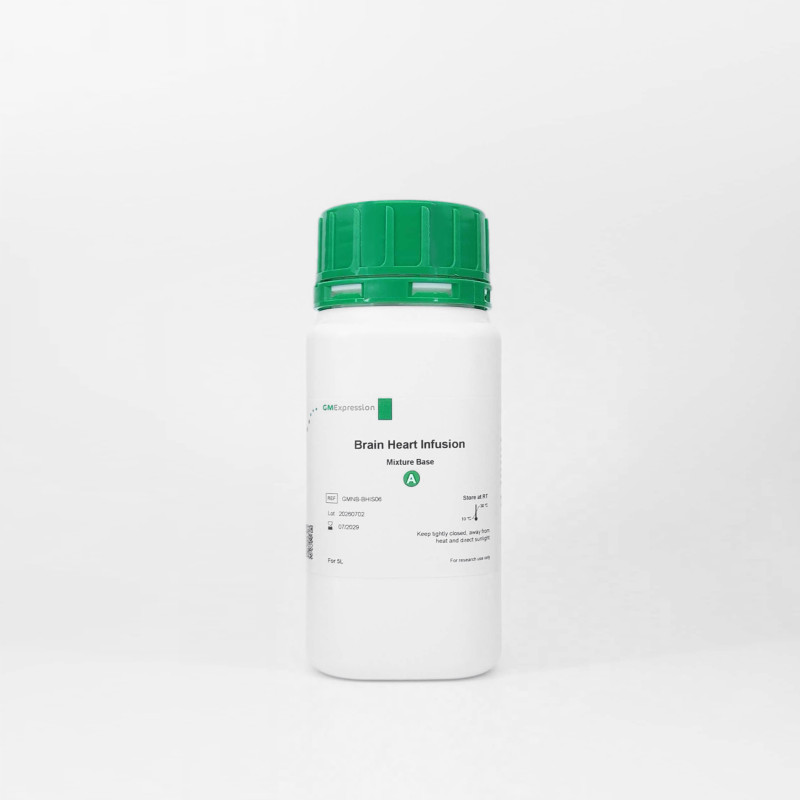
Option 1: Brain Heart Infusion - Base Only (this option only includes Mixture A).
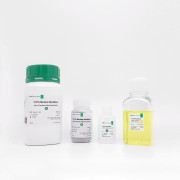
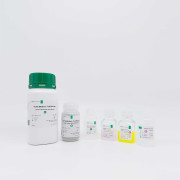
Option 2: Brain Heart Infusion kit - Each GMExpression© BHI-S kit contains:
- Mixture A — pre-weighed BHI base (calf-brain + beef-heart infusion solids, proteose peptone, dextrose, NaCl, Na2HPO4) for 5 L final volume.
- Mixture B — L-cysteine·HCl·H2O 2.5 g (= 0.5 g/L final), N2-flushed PP bag.
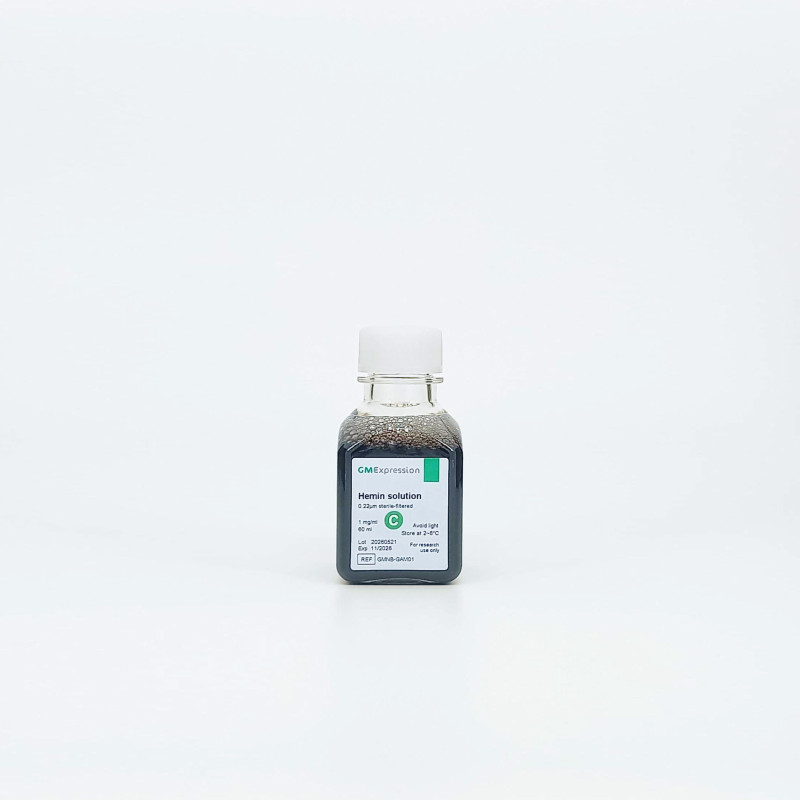
- Stock H — Hemin stock, 25 mg in 5 mL of 0.05 M NaOH, sealed amber vial, ready-to-add.
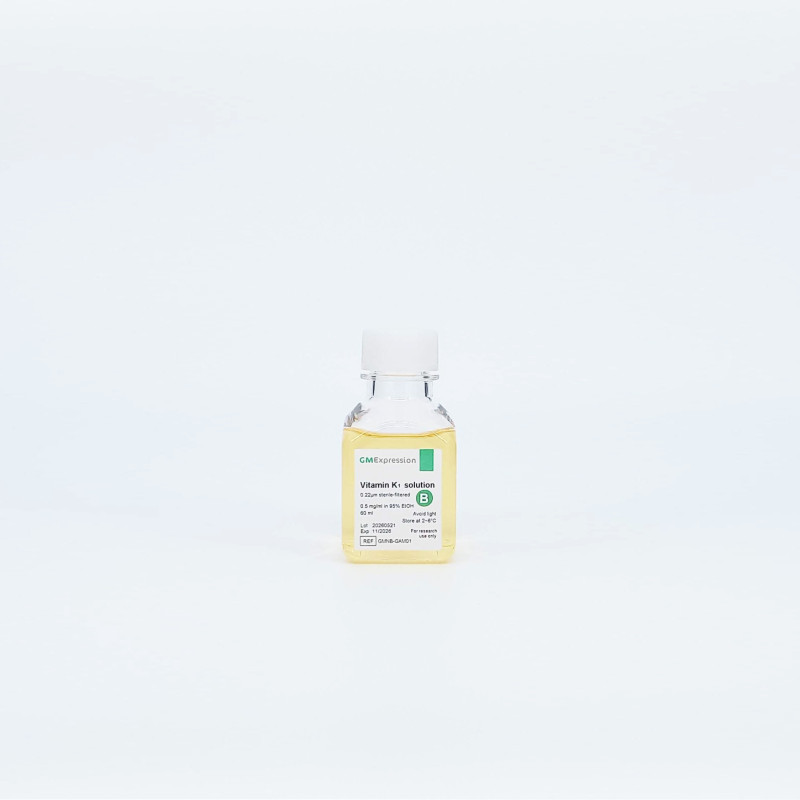
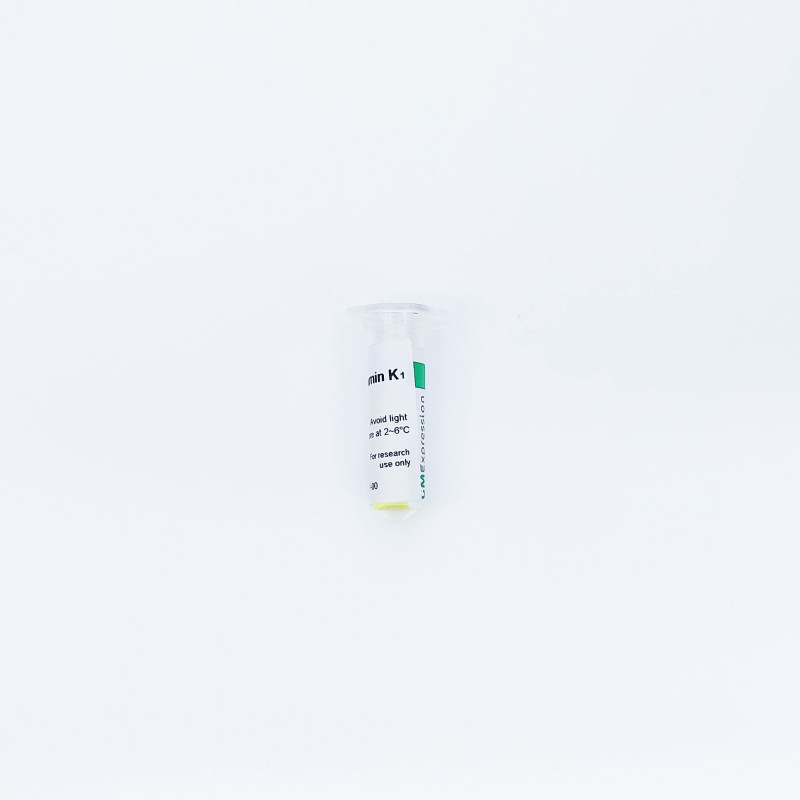
- Stock K — Vitamin K1 stock, 50 mg in 5 mL of 95 % ethanol, amber vial, light-protected.
- 5 × airtight PP storage bags + 5 × heat-resistant rubber bands for PRAS-format dispensing.
- Instruction manual (A5 booklet, v1.0).
Customisation options on request: add 5 % defibrinated sheep blood (DAFF EX188M certified), add NaHCO3 2 g/L for AAE-CO2 buffering, omit Vitamin K1 for Clostridium-only workflows, add 15 g/L agar for solid-phase BHI-S agar.
Composition — per 1 L equivalent unless stated otherwise
Mixture A — Base BHI broth (per 1 L; ATCC Medium 44 / BD Difco 237500 reference)
| Component | Concentration | Function |
|---|---|---|
| Calf-brain infusion (solids from 200 g brain) | 7.7 g | Complex peptides, vitamins, growth factors |
| Beef-heart infusion (solids from 250 g heart) | 9.8 g | Haematin precursors, amino acids |
| Proteose Peptone (pancreatic digest) | 10.0 g | Peptide nitrogen source |
| Dextrose (D-glucose) | 2.0 g | Carbohydrate energy source |
| Sodium chloride (NaCl) | 5.0 g | Osmotic balance |
| Disodium phosphate (Na2HPO4) | 2.5 g | Phosphate buffer |
Pre-autoclaving pH: 7.4 ± 0.2 at 25 °C (adjust with 1 M NaOH or 1 M HCl as required).
Anaerobic supplements (added per the supplied stock vials)
| Component | Final concentration | Stock and grade | Notes |
|---|---|---|---|
| Hemin (porphyrin-Fe complex; CAS 16009-13-5) | 5.0 mg/L | 1 mg/mL in 0.05 M NaOH (Stock H) | Required by Bacteroides (haem-auxotroph) |
| Vitamin K1 (phylloquinone; CAS 84-80-0) | 1.0 mg/L | 0.5 mg/mL in 95 % ethanol (Stock K); protect from light | Menaquinone precursor; required by Bacteroides fragilis fumarate reductase |
| L-Cysteine·HCl·H2O (CAS 7048-04-6) | 500 mg/L (0.05 % w/v) | Solid (Mixture B); add directly OR pre-dissolve as 5 % stock in oxygen-free water | Reductant; final Eh < −150 mV |
| NaHCO3 (optional, for AAE-CO2) | 1–4 g/L | Filter-sterilised 100 mg/mL post-autoclave | pH stabilisation in CO2-equilibrated AAE |
| Defibrinated sheep blood (optional) | 5 % v/v | Sterile commercial; add at 50 °C post-autoclave | Provides X (hemin) and V (NAD) factors |
For BHI-S agar: add 15 g/L bacteriological-grade agar before autoclaving.
For BHI-blood agar: add 50 mL/L sterile defibrinated sheep or horse blood at 48–50 °C post-autoclave and pour plates immediately.
Use and Applications
- Primary isolation & enrichment of fastidious anaerobes from clinical specimens (blood, abscess aspirate, intra-abdominal fluid, deep wound, OB-GYN surgical specimens) per CLSI M22 and Wadsworth Manual ch. 6.
- Cell-bank holding and working-cell-bank propagation for Clostridium, Bacteroides, Bifidobacterium, and Faecalibacterium in pharma / FMT / live biotherapeutic product manufacturing.
- Antimicrobial susceptibility testing inoculum broth — CLSI M11-acceptable alternative when Wilkins-Chalgren is unavailable; supplementation with laked sheep blood produces "BHI-blood broth" used for Streptococcus pneumoniae and other capsular pathogens.
- Maintenance medium for Streptococcus, Enterococcus, Staphylococcus, Listeria, Neisseria, Haemophilus (with supplementation), and other fastidious facultative anaerobes.
- Blood-culture subculture broth for follow-up identification of positive blood-culture bottles.
- Base medium for chocolate agar, BHI-blood agar, and BHI-chocolate agar when supplemented with 5 % defibrinated sheep blood (haemolysed for chocolatising) at 50 °C post-autoclave.
- Microaerophile culture — Campylobacter, Helicobacter pylori (with selective antibiotic supplements) under 5–10 % CO2 + 5–10 % O2 atmosphere.
Compatible Microorganisms
Obligate anaerobes
- Bacteroides fragilis (ATCC 25285), B. thetaiotaomicron (ATCC 29148), B. vulgatus (ATCC 8482), B. uniformis (ATCC 8492); whole B. fragilis group
- Parabacteroides distasonis (ATCC 8503), P. merdae (ATCC 43184)
- Prevotella melaninogenica (ATCC 25845), P. intermedia (ATCC 25611), P. bivia, P. disiens
- Porphyromonas gingivalis (ATCC 33277), P. asaccharolytica (ATCC 25260)
- Fusobacterium nucleatum (ATCC 25586), F. necrophorum (ATCC 25286), F. varium
- Clostridium perfringens (ATCC 13124), C. sporogenes (ATCC 19404), C. tetani, C. novyi, C. septicum, C. bifermentans
- Clostridioides difficile (ATCC 9689; reclassified Lawson 2016 Anaerobe 40:95)
- Peptostreptococcus anaerobius (ATCC 27337), Peptoniphilus spp., Anaerococcus spp., Finegoldia magna (ATCC 29328; formerly Peptostreptococcus magnus)
- Veillonella parvula (ATCC 10790), V. atypica
- Eubacterium limosum (ATCC 8486); E. lentum reclassified as Eggerthella lenta (ATCC 25559)
- Cutibacterium acnes (ATCC 6919; formerly Propionibacterium acnes, Scholz & Kilian 2016 IJSEM 66:4422)
- Lactobacillus spp., Bifidobacterium spp. (TPY medium preferred for Bifidobacterium)
Microaerophiles (with appropriate atmosphere)
- Streptococcus pyogenes (ATCC 19615), S. agalactiae, S. pneumoniae, viridans group streptococci
- Campylobacter jejuni, C. coli (with selective supplements)
- Helicobacter pylori (with selective supplements; specialised Helicobacter media preferred)
Facultative anaerobes (aerobic incubation)
- Staphylococcus aureus, S. epidermidis, coagulase-negative staphylococci
- Enterococcus faecalis, E. faecium
- Escherichia coli, Klebsiella, Enterobacter (no selective agents present)
- Neisseria meningitidis, N. gonorrhoeae (chocolatised + CO2)
- Haemophilus influenzae (chocolatised)
- Listeria monocytogenes
Preparation
Critical control points
- L-cysteine added pre-autoclaving partially oxidises to cystine, lowering reductant capacity. For maximum reducing power, prepare a 5 % (w/v) stock in oxygen-free water (boiled 10 min and cooled under N2), filter-sterilise (0.22 µm), and add 10 mL/L post-autoclave inside an AAE.
- Hemin must be fully in solution before autoclaving; undissolved hemin will not redissolve in the cooled medium and will appear as black flecks. Use the alkaline-stock approach (5 mg/mL in 0.05 M NaOH); pre-warm the medium to ≥ 45 °C before adding.
- Vitamin K1 in ethanol stock can crash out of solution if added to cold medium; add to still-warm medium (≥ 45 °C) with rapid mixing.
Cautions
Storage and Expiry · Safety
- Dehydrated powder (Mixture A, C): store sealed at 15–30 °C in original packaging away from direct sunlight. Shelf life 36 months from manufacture.
- Stock H (hemin in NaOH): store at 4 °C protected from light. Stable 8 weeks at supplied concentration; prepare fresh 5 mg/mL working stock every 2 weeks for maximum performance.
- Stock K (Vitamin K1 in ethanol): store at 4 °C protected from light. Stable 6 months.
- Prepared broth, aerobic 4 °C: 4 weeks routine; 8 weeks if not subject to repeated opening.
- Prepared broth, anaerobic (vacuum-sealed + oxygen absorber): 6 months for strict-anaerobe use; up to 12 months for facultative-anaerobe use after cysteine depletion.
Safety notes. BHI is a bovine-derived medium. Handle in a Biosafety Class II cabinet when culturing BSL-2 pathogens. L-cysteine in solid form is a mild eye irritant; wear nitrile gloves and safety glasses during weighing. Vitamin K1 ethanolic stock is flammable; keep away from open flame. Hemin in alkaline NaOH is corrosive; pipette with care. SDS available on request.
References
- Rosenow EC. (1919). Studies on elective localization. Journal of Dental Research 1: 205–267. [Original BHI formulation]
- CLSI M22 (current ed.). Quality Assurance for Commercially Prepared Microbiological Culture Media; Approved Standard. Wayne, PA: CLSI.
- CLSI M11-A8 / A9 / current ed. Methods for Antimicrobial Susceptibility Testing of Anaerobic Bacteria. Wayne, PA: CLSI.
- Jousimies-Somer HR, Summanen P, Citron DM, Baron EJ, Wexler HM, Finegold SM. (2002). Wadsworth-KTL Anaerobic Bacteriology Manual, 6th ed. Belmont, CA: Star Publishing — Chapter 6.
- Carroll KC, Pfaller MA, Landry ML, McAdam AJ, Patel R, Richter SS, Warnock DW (eds). (2019). Manual of Clinical Microbiology, 12th ed. Washington, DC: ASM Press — chapter 60.
- BD Difco™ Brain Heart Infusion product information sheet 237500 / 237200; BBL™ BHI sheet 211059.
- Oxoid Manual 9th ed., CM1135 Brain Heart Infusion Broth.
- ATCC Microbiology Catalogue: ATCC Medium 44 Brain Heart Infusion Agar/Broth.