


Fastidious Anaerobe Agar (FAA, ATCC Medium: 2895) | For 7L
- Product Code: GMNB-ATCC-FAA01
- Availability: Pre-Order
Tags: Fastidious Anaerobe Agar
Overview
FAA is built for the organisms that fail on general-purpose media: the asaccharolytic anaerobes, which cannot ferment sugars and must draw energy from amino acids, peptides or organic acids (Peptostreptococcus, Porphyromonas, Fusobacterium, Eggerthella, Veillonella), and the haem- and naphthoquinone-auxotrophic Gram-negative anaerobes, which cannot assemble a respiratory chain without exogenous protoheme and vitamin K (Bacteroides, Prevotella, Porphyromonas).
FAA is also redox-engineered. For strict anaerobes, isolation failure is more often oxidative than nutritional: a medium can carry every required nutrient and still fail if the agar surface carries hydrogen peroxide, which kills strict anaerobes at low micromolar concentrations. L-cysteine lowers the redox potential, sodium pyruvate acts as a chemical catalase, and here the pyrophosphate is held out of the autoclave entirely as Stock E, because phosphate catalyses peroxide formation when heated with glucose or agar (see FAQ Q2). EUCAST built its disk-diffusion method for rapidly growing anaerobes on FAA, prepared with 5 % mechanically defibrinated horse blood (FAA-HB) at 4.0 mm ± 0.5 mm depth.
Published performance
- Against four other solid media for anaerobe cultivation from clinical subgingival plaque, FAA recovered the highest numbers of bacteria of all media tested. (Heginbothom et al. 1990)
- FAA supported 82 strains of Fusobacterium better than brain heart infusion, Brucella or Wilkins–Chalgren agar, with less growth haze and fewer tailing β-lactam endpoints. Blood improved every medium tested; Wilkins–Chalgren without blood failed for 17 % of strains. (Brazier et al. 1990)
- FAA-HB has been evaluated for 36 anaerobic species from faecal samples, most confluent in 16–20 h. (Anaerobe 2025)
What the EUCAST association means. The method is defined on Fastidious Anaerobe Agar as a medium, validated across several suppliers — not an endorsement of any one manufacturer, and no substitute for verifying a given lot under your own quality system before reporting results.
Non-selective, and not a defined medium. FAA contains no antibiotics, dyes, bile salts or azide — it is built for maximum recovery, not suppression of competing flora; add a selective supplement where selectivity is needed. And 28 g/L of the dry mass is tryptone and yeast extract, whose exact composition varies within specification between lots, so this is a complex rather than a chemically defined medium.
We also have
- Companion anaerobic media — GAM and mGAM for broth culture and long incubation; YCFA (Modified) and YCFA Full for SCFA-dependent butyrate producers; Gut Microbiota Medium for mucin-degraders; Chopped Meat Broth (ATCC 1490); PYG Broth.
- Supplements — defibrinated horse or sheep blood (500 mL; see Sheep Blood Agar); filter-sterilised L-cysteine·HCl solution; Vitamin K₁ and K₃ stocks.
- Anaerobic Preparation Kit (Lite / Plus) for vacuum-deoxygenation and pre-reduced plate workflows; Helicobacter pylori Medium for the microaerophilic application FAA does not cover.
Package Contents
| Package | Quantity | Physical form / sterilisation |
|---|---|---|
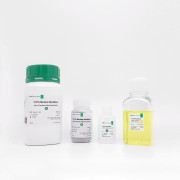
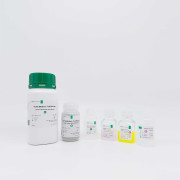
| Mixture A | 258 g | Dry powder blend (makes up to 7 L of medium) |
| Mixture B | 10 g | Dry powder blend |
| Powder C - Sodium pyruvate | 10 g | Dry powder |
| Stock D - Vitamin K₁ solution, 0.5 mg/mL in ethanol | 20 mL | Liquid, amber vial; 0.22 µm filter-sterilised |
| Stock E - Sodium pyrophosphate solution, 12.5 g/L, pH 7.2 | 150 mL | Liquid; 0.22 µm filter-sterilised |
| Agar (optional) | 84 g | Dry powder |
Mixtures B and C and Stock D carry deliberate excess for weighing and pipetting losses. Supplied with an A5 instruction booklet including the ATCC Medium 2895 protocol annex and the Stock E addition card.
Optional, order-based: defibrinated horse or sheep blood, 500 mL (liquid, sterile); L-cysteine·HCl solution, 100 mL (liquid, 0.22 µm filter-sterilised); Vitamin K₃ (menadione) stock in place of Stock D, supplied to deliver 0.38 mg/L; Stock E as a pre-weighed 1.88 g dry sachet; reference single-blend presentation (pyrophosphate in Mixture A at 36.75 g/L, no Stock E) for SOPs requiring a single powder.
Composition - per 1 L of prepared medium
Components are grouped by the package they are supplied in.
| Component | Concentration | mmol/L | Function |
|---|---|---|---|
| Tryptone (pancreatic digest of casein) | 23.0g | — | Peptides and amino acids — the energy substrate for asaccharolytic anaerobes, not merely a nitrogen source |
| Yeast extract | 5.0g | — | B-vitamins, purines, pyrimidines, trace metals; the component that defines ATCC Medium 2895 |
| Sodium chloride | 5.0g | 85.6 | Osmotic balance |
| Soluble starch | 1.0g | — | Adsorbent for inhibitory metabolites and fatty acids; fermentable polysaccharide for amylolytic Bacteroides / Prevotella — carbohydrate without free monosaccharide |
| Glucose (anhydrous) | 1.0g | 5.55 | Fermentable carbohydrate, deliberately restricted to 0.1 % w/v (FAQ Q8) |
| L-arginine hydrochloride | 1.0g | 4.75 | Obligatory energy source for Eggerthella lenta via the arginine dihydrolase pathway |
| Sodium succinate, anhydrous | 0.5g | 3.09 | Growth factor — can replace the haem requirement when vitamin K is present |
| Component | Concentration | mmol/L | Function |
|---|---|---|---|
| Sodium bicarbonate | 0.4g | 4.76 | CO₂ source and buffer — many clinical anaerobes are capnophilic and the requirement is biosynthetic (Bacteroides / Prevotella fix CO₂ at PEP carboxykinase) |
| L-cysteine·HCl monohydrate | 0.5g | 2.85 | The medium's reducing agent (lowers Eh for growth initiation); reduced-sulphur source required by Cutibacterium acnes; improves B. fragilis recovery |
| Haemin (protoheme IX) | 10.0mg | 0.0153 | Essential growth factor for the protoheme-auxotrophic Bacteroides / Prevotella / Porphyromonas groups — cytochrome b and fumarate reductase; also an iron source |
| Component | Concentration | mmol/L | Function |
|---|---|---|---|
| Sodium pyruvate | 1.0g | 9.09 | Chemical catalase surrogate — removes H₂O₂ non-enzymatically, protecting the whole inoculum; also the primary energy source for glucose-negative Veillonella |
| Component | Concentration | mmol/L | Function |
|---|---|---|---|
| Vitamin K₁ (phylloquinone) | 1.0mg | 0.00222 | Menaquinone precursor for the fumarate reductase chain; co-required with haemin. Ethanol carryover from the stock is 0.2 % v/v |
| Component | Concentration | mmol/L | Function |
|---|---|---|---|
| Sodium pyrophosphate, tetrasodium anhydrous (Na₄P₂O₇) | 0.250g | 0.940 | Stimulates Porphyromonas gingivalis and P. asaccharolytica; buffering; complexes calcium, magnesium and transition metals. Kept out of the autoclave so phosphate cannot catalyse peroxide formation (FAQ Q2) |
| Component | Concentration | mmol/L | Function |
|---|---|---|---|
| Agar | 12.0g | — | Gelling agent. Pour to 4.0 mm ± 0.5 mm for disk diffusion — zones are depth-sensitive; 0.5 g for semi-solid, omit for broth |
Total, all components 50.66 g/L. Final pH 7.2 ± 0.2 at 25 °C, measured on the finished, sterilised medium.
Pyrophosphate specification. "Sodium pyrophosphate" denotes four salts differing in sodium substitution (formula weights 199.96–265.90, plus a 1.68-fold step to the decahydrate), so at a fixed 0.25 g/L the delivered molarity varies by up to 2.23-fold. This product is specified as tetrasodium pyrophosphate, anhydrous (Na₄P₂O₇, CAS 7722-88-5), 0.250 g/L = 0.940 mmol/L. Preparing Stock E from the decahydrate (CAS 13472-36-1) requires 0.419 g/L, not 0.250 g/L — the latter delivers only 0.560 mmol/L, a 40 % shortfall.
Choose your anaerobe medium — how FAA compares across the GMExpression anaerobic range
FAA is non-selective and broad-spectrum, with its particular strength in solid-phase clinical isolation and in standardised susceptibility testing.
| Organism / use class | FAA | GAM | mGAM | YCFA | GMM | Chopped Meat |
|---|---|---|---|---|---|---|
| Clinical primary isolation (solid) | Primary | Primary | Supported | Limited | Limited | Primary |
| Anaerobe disk-diffusion AST (EUCAST) | Primary | Limited | Limited | Not suitable | Not suitable | Not suitable |
| Bacteroides / Prevotella / Porphyromonas | Primary | Primary | Primary | Supported | Supported | Primary |
| Asaccharolytic anaerobes; pigment / morphology ID | Primary | Supported | Supported | Limited | Limited | Supported |
| Butyrate producers (F. prausnitzii) | Supported | Possible | Supported | Primary (SCFA) | Supported | Possible |
| Mucin-degraders (Akkermansia) | Limited | Limited | Supported | Limited | Primary (mucin) | Limited |
| Faecal culturomics (solid plating) | Primary | Supported | Primary | Primary | Primary | Supported |
| Long incubation / hold; Clostridium sporulation | Limited | Primary | Primary | Supported | Limited | Primary |
Rule of thumb: FAA for solid-phase clinical isolation, pigment work and EUCAST disk-diffusion AST; GAM / mGAM for broth culture and long incubation; YCFA for SCFA-dependent butyrate producers; GMM for mucin-utilisers; Chopped Meat for long-term hold. FAA is the only medium in the range designed and validated for standardised anaerobe susceptibility testing.
Use and Applications
- Primary isolation of clinically significant anaerobes from wound, abscess, blood-culture subculture, respiratory, intra-abdominal and oral/periodontal specimens.
- EUCAST disk-diffusion AST of rapidly growing anaerobes as FAA-HB (5 % mechanically defibrinated horse blood, 4.0 mm ± 0.5 mm depth).
- Pigment and colony-morphology identification of black-pigmented anaerobes on blood plates over 5–7 days.
- Recovery of asaccharolytic anaerobes that general-purpose media starve — the arginine, pyruvate, succinate and pyrophosphate additions each serve a specific taxon.
- Culturomics and gut-microbiome isolation — evaluated for 36 anaerobic species from faecal samples.
- Base for selective media (non-inhibitory base, so selectivity is attributable to the supplement) and semi-solid or broth formats (0.5 g/L agar, or the Without-Agar SKU).
Compatible Microorganisms
Grouped by the component that serves them, since that predicts whether a strain will grow.
- Haem- and quinone-dependent Gram-negatives (haemin + vitamin K₁ + succinate) — Bacteroides fragilis (ATCC 25285) and the Bacteroides / Phocaeicola / Parabacteroides group; Prevotella melaninogenica (black-pigmented on blood), P. intermedia, P. bivia; Porphyromonas gingivalis and P. asaccharolytica (also pyrophosphate-stimulated).
- Asaccharolytic fermenters of amino acids, peptides and organic acids (tryptone + arginine + cysteine + pyruvate) — Peptostreptococcus anaerobius (ATCC 27337); Eggerthella lenta (ATCC 25559), which reaches only A₆₅₀ 0.05–0.1 in peptone medium and ≈1.4 on substrate arginine; Fusobacterium nucleatum, F. necrophorum, F. varium; Finegoldia, Anaerococcus, Peptoniphilus; Veillonella spp., which do not ferment glucose and run on lactate and pyruvate.
- Gram-positive anaerobes (cysteine; several need extended incubation) — Cutibacterium acnes, requiring reduced sulphur and 5–7 days, too slow for a 16–20 h AST read; Actinomyces spp.; Bifidobacterium spp.; Clostridium perfringens (ATCC 13124), C. sporogenes, Clostridioides difficile; anaerobic and microaerophilic streptococci.
Conditional — a different atmosphere or supplement is required. Haemophilus spp. need heated (chocolated) horse blood to release V factor (NAD); FAA supplies X factor abundantly but NAD is intra-erythrocytic, and sheep blood is unsuitable because ovine NADase destroys V factor. Neisseria meningitidis needs blood under elevated CO₂, not anaerobic conditions, and N. gonorrhoeae needs IsoVitaleX/Vitox-type supplements FAA does not contain. Helicobacter pylori is microaerophilic (≈5–10 % O₂, elevated CO₂, humidity, 3–7 days) — see our Helicobacter pylori Medium.
Taxonomy note. Historical synonyms: Cutibacterium acnes (ex Propionibacterium acnes); Eggerthella lenta (ex Eubacterium lentum); Prevotella melaninogenica, Porphyromonas gingivalis, P. asaccharolytica (ex Bacteroides spp.); the B. fragilis group now split across Bacteroides, Phocaeicola and Parabacteroides.
Preparation
Volume budget — read this first
Stock E (20 mL/L), Stock D (2 mL/L) and any blood are added after autoclaving, so the base must be made up short of 1,000 mL. Choose the row matching the medium you intend to make:
| Intended medium | Base up to | + Stock E | + Stock D | + blood | = final |
|---|---|---|---|---|---|
| FAA, no blood | 978 mL | 20 mL | 2 mL | — | 1,000 mL |
| FAA-HB, 5 % horse blood (EUCAST) | 928 mL | 20 mL | 2 mL | 50 mL | 1,000 mL |
| FAA, 10 % blood | 878 mL | 20 mL | 2 mL | 100 mL | 1,000 mL |
| Reference single-blend presentation | 998 mL | — | 2 mL | — | 1,000 mL |
Quantities below are per 1,000 mL of finished medium; scale proportionally.
Critical control points
- Adjust pH before the boil. The cheapest browning-control measure in the protocol.
- Never autoclave Stock E, and add it at 50–55 °C, not to boiling medium — the P–O–P bridge hydrolyses under heat.
- Disperse Stock E fully before the blood goes in (calcium pyrophosphate — see Cautions).
- 4.0 mm agar depth is a specification, not a suggestion for disk diffusion. Measure the pour volume rather than estimating.
- Pre-reduce and minimise the aerobic window. Between pouring and inoculation the cysteine is autoxidising.
- Verify pH post-autoclave, not only at adjustment — the 7.2 ± 0.2 specification applies to the finished medium.
Cautions
Cysteine autoxidation — why pre-reduction matters. The reductant is a free thiol; on prolonged aerobic exposure it autoxidises by a metal-catalysed route to hydrogen peroxide, which kills strict anaerobes at low micromolar concentrations. Pyruvate scavenges it only incompletely. Minimise aerobic holding time, pre-reduce plates, use the vacuum-deoxygenation step, and store protected from light. For low-inoculum, culturomics or fresh clinical work, use the optional filter-sterilised L-cysteine·HCl solution post-autoclave under an anaerobic atmosphere.
Stock E — disperse before blood; keep cold but never frozen. Pyrophosphate forms a sparingly soluble calcium salt, and defibrinated blood is not citrated: concentrated Stock E meeting a local pocket of blood can give a fine calcium pyrophosphate precipitate and visible turbidity. Add Stock E to the bulk medium, swirl to homogeneity, then add blood. Store at 2–8 °C, do not freeze — 12.5 g/L is set deliberately low (≈40–48 % of saturation even at 0 °C) so it will not crystallise on refrigeration; discard if crystals or turbidity appear. Do not exceed the specified 0.940 mmol/L: pyrophosphate also complexes calcium and magnesium, and the loading is already in large molar excess over the trace transition metals present.
Vitamin K₃ molar substitution; atmosphere; browning versus haze. Menadione (FW 172.2) must be substituted molar-for-molar against phylloquinone (FW 450.7) — our K₃ stock delivers 0.38 mg/L, equimolar to 1.0 mg/L K₁; equal masses differ 2.6-fold, and menadione is a redox-cycling quinone that can generate superoxide. Prefer a CO₂-containing anaerobic mixture: under 100 % N₂ the medium's own 0.4 g/L bicarbonate is the sole CO₂ source and is progressively lost from an open plate. Browning is Maillard chemistry — controlled by adjusting pH before the boil and keeping pyrophosphate out of the autoclave; if it persists, check the autoclave cycle. Haze is a separate matter (calcium pyrophosphate, above); note that the published "reduced hazing" finding refers to growth haze within inhibition zones, not medium turbidity. The blood supplement is animal-derived; dry components irritate eyes, skin and airways, so avoid raising dust and wear eye protection.
Storage and Expiry · Safety
| Component | Conditions | Shelf life |
|---|---|---|
| Mixture A, Mixture B, Agar | Room temperature, dry, closed, away from light | 3 years |
| Powder C; Stock D (Vitamin K₁) | 2–8 °C, protected from light | 12 months |
| Stock E (pyrophosphate) | 2–8 °C. Do not freeze. | 12 months |
| Prepared medium, sterile | 4 °C, protected from light | 2–3 weeks |
Prepared plates are best held under an anaerobic atmosphere and pre-reduced before use. A lot-specific Certificate of Analysis and Safety Data Sheet are available under the Documentation tab.
Quality control
On FAA with 5–10 % blood, 35 ± 2 °C anaerobically, read 48–72 h at 10–300 CFU. Dehydrated appearance: homogeneous free-flowing powder, light beige to grey-green beige. Prepared with blood: opaque red. Final pH 7.2 ± 0.2 at 25 °C.
| Organism | Role | Expected result |
|---|---|---|
| Bacteroides fragilis ATCC 25285 | Reference QC | Growth |
| Clostridium perfringens ATCC 13124 | Reference QC | Growth |
| Peptostreptococcus anaerobius ATCC 27337 | Reference QC | Growth |
| Prevotella sp. | Optional | Growth with pigment at 5–7 days — confirms the haemin / vitamin K₁ / succinate module |
| Eggerthella lenta ATCC 25559 | Optional | Negligible growth without arginine — confirms the arginine is working |
Customs & Documentation
The FAA base powder contains no meat, brain or heart infusion — an infusion-free, peptone-defined base, which simplifies documentation relative to infusion-based anaerobe media. The optional blood supplement is animal-derived and regulated under most national biosecurity regimes.
Ordered with blood, this item ships with 2.8 kg dry ice internationally and 1.3 kg ice packs domestically. Sourcing defibrinated blood locally avoids customs delays — specify mechanically defibrinated horse blood for EUCAST conformity, at 5–10 % v/v. GMExpression sources animal-derived inputs from antibiotic-free South Australian supply and certifies exports through the Australian DAFF pathway.
References
- Brazier JS, Goldstein EJC, Citron DM, Ostovari MI. (1990). Fastidious anaerobe agar compared with Wilkins–Chalgren, brain heart infusion and brucella agar for susceptibility testing of Fusobacterium species. Antimicrob Agents Chemother 34: 2280–2282.
- Heginbothom M, Fitzgerald TC, Wade WG. (1990). Comparison of solid media for cultivation of anaerobes. J Clin Pathol 43: 253–256.
- Carlsson J, Nyberg G, Wrethén J. (1978). Hydrogen peroxide and superoxide radical formation in anaerobic broth media exposed to atmospheric oxygen. Appl Environ Microbiol 36: 223–229. — and Carlsson J et al. (1979). Bactericidal effect of cysteine exposed to atmospheric oxygen. Appl Environ Microbiol 37: 383–390.
- Kawasaki K, Kamagata Y. (2017). Phosphate-catalyzed hydrogen peroxide formation from agar, gellan and κ-carrageenan, and recovery of microbial cultivability via catalase and pyruvate. Appl Environ Microbiol 83: e01366-17.
- Gibbons RJ, MacDonald JB. (1960). Hemin and vitamin K compounds as required factors for the cultivation of certain strains of Bacteroides melaninogenicus. J Bacteriol 80: 164–170. — Lev M, Keudell KC, Milford AF. (1971). Succinate as a growth factor for B. melaninogenicus. J Bacteriol 108: 175–178. — Sperry JF, Wilkins TD. (1976). Arginine, a growth-limiting factor for Eubacterium lentum. J Bacteriol 127: 780–784.
- EUCAST. Disk diffusion method for rapidly growing anaerobic bacteria using Fastidious Anaerobe Agar. Clin Microbiol Infect (2021), and the current EUCAST reading guide and anaerobe breakpoint tables. — Culture performance of FAA for frequently-encountered anaerobic bacteria. Anaerobe (2025).
- American Type Culture Collection. ATCC Medium 2895 — Fastidious Anaerobe Agar + 5 g/L YE, formulation sheet.
The full annotated reference set, including the supporting work on surface pH, reduced-sulphur nutrition and vitamin-K-dependent regulation, is available in the technical dossier on request.
Frequently Asked Questions
Q1. Is this the same medium as ATCC Medium 2895?
Yes — identical component for component and quantity for quantity, including the 5 g/L yeast extract that distinguishes ATCC Medium 2895 from the unsupplemented base. The only difference is when the pyrophosphate is added: after autoclaving as Stock E, rather than co-autoclaved. The finished medium is the same, so a protocol citing ATCC Medium 2895 is met.
One point if you work from the ATCC sheet directly: its stated suspension mass of 45.7 g/L is the unsupplemented formulation and omits the 5 g/L yeast extract its own formula table specifies. The correct total is 50.66 g/L, and our fraction masses are computed to that figure — a common source of difficulty when reproducing the medium from the sheet.
Q2. Why is the sodium pyrophosphate supplied separately as Stock E instead of being blended into the powder?
The short version. The finished medium is identical in composition to ATCC Medium 2895 — same components, concentrations and pH. Only the point of addition differs, and because Stock E is supplied ready-adjusted to pH 7.2 it changes the medium's composition but not its pH. Four benefits, for one extra pipetting step.
1 — It removes a phosphate catalyst from the autoclave. Two well-characterised reactions produce hydrogen peroxide in media of this type, and both are phosphate-catalysed:
- Media containing phosphate together with glucose accumulate H₂O₂ on heating — the reaction needs ≥120 °C for ≥5 min and pH above 6.5, and of the substrates tested only α-hydroxycarbonyl compounds (glucose among them) autoxidised with peroxide accumulation. Strict anaerobes were killed rapidly by as little as 20 µM H₂O₂. (Carlsson et al. 1978)
- Agar autoclaved with phosphate also generates H₂O₂, by a route enhanced by amino and ammonium groups. Colony counts where agar and phosphate were autoclaved together were only 5.7 % of counts where they were autoclaved separately; catalase restored 106 %, but sodium pyruvate only 58 %. (Kawasaki & Kamagata 2017)
FAA contains glucose, agar and abundant peptide amino groups and is autoclaved at 121 °C for 15 min at pH 7.2 — it meets every one of those conditions. Holding the pyrophosphate out removes the catalyst from both reactions. The pyruvate remains as the second line of defence, but as those figures show, prevention is substantially more effective than scavenging.
2 — It delivers pyrophosphate as pyrophosphate. The P–O–P bridge hydrolyses to orthophosphate under heat, and the intact anion is the species that does the work — the Porphyromonas stimulation and the buffering. Co-autoclaving partially converts it before use, so you receive less pyrophosphate and more phosphate than the label states. Post-sterilisation addition delivers the declared 0.940 mmol/L intact.
3 — It removes the catalyst from the pre-adjustment boil too, where Mixture A is dissolved before the pH is set. The protocol also adjusts pH before the boil, so dissolution happens at a controlled near-neutral pH — heating glucose with arginine drives non-enzymatic browning, faster away from neutrality.
4 — Reduced browning. The same chemistry drives Maillard browning; removing it gives a lighter, more consistent prepared appearance.
Why this is good practice generally. Heat-labile and heat-reactive components belong outside the autoclave — already standard for vitamin K₁, which is why Stock D exists. The same reasoning applies to a hydrolysable polyphosphate that catalyses peroxide formation in the components around it.
Q3. My accreditation requires media prepared from a single dehydrated powder. Can I still use this?
Yes — specify the reference single-blend presentation at ordering: pyrophosphate in Mixture A at 36.75 g/L, no Stock E. It ships with reference instructions in which the base is made up to 998 mL rather than 978 mL, because Stock D is then the only post-autoclave addition; do not use the Stock E volume budget with it. The finished medium is compositionally identical either way.
Q4. Do I have to add blood?
Blood is the reference condition, not an optional enhancement: every published QC specification assumes 5–10 % defibrinated blood, and a published comparison found blood improved every medium tested. Without it, expect reduced recovery at low inoculum and no pigment development in the black-pigmented anaerobes. For susceptibility testing it is not optional — the EUCAST method is defined on FAA with 5 % horse blood.
Q5. Horse or sheep blood — does it matter?
For general isolation, either works. Three cases where it matters: EUCAST disk diffusion specifies mechanically defibrinated horse blood; Haemophilus requires heated horse blood, because ovine NADase destroys V factor; and haemolysis patterns differ between species, so keep the source constant if you read haemolysis.
Q6. Can I use this for EUCAST disk diffusion of anaerobes?
Yes — that is the medium the method was built on. Prepare as FAA-HB with 5 % v/v mechanically defibrinated horse blood, pour to 4.0 mm ± 0.5 mm (≈24 mL per 90 mm plate), and follow the current EUCAST manual. Zones are depth-sensitive, so measure the pour volume. Cutibacterium acnes grows too slowly for the 16–20 h window. Verifying a given lot under your own quality system remains your responsibility.
Q7. Will Haemophilus influenzae grow on it?
Not with intact blood. FAA supplies X factor (haemin) at 10 mg/L, but V factor (NAD) is intra-erythrocytic and must be released by heating — chocolate agar. Use heated horse blood; sheep blood will not work even heated, because ovine NADase destroys V factor. If Haemophilus is the primary target, a dedicated chocolate agar is better.
Q8. Why is the glucose only 0.1 %? Won't my organisms be carbon-starved?
No — the restriction is deliberate, for three reasons, of which only the first is obvious.
(i) Terminal acidity. Limiting fermentable carbohydrate limits acid accumulation, which concentrates at the colony base rather than equilibrating across the plate. Unrestricted acidification degrades colony morphology, pigment, haemolysis reading and subculture viability, and in susceptibility testing it shifts the activity of several antimicrobial classes.
(ii) Direct monosaccharide inhibition and vitamin-K antagonism — the stronger and more specific reason. Free monosaccharides (glucose, galactose, mannose, fructose) are directly inhibitory to Prevotella melaninogenica at low concentrations, whereas the disaccharides sucrose and lactose are not inhibitory even at high concentrations. The effect is exerted principally during the lag-to-logarithmic transition — exactly the moment of primary isolation from a clinical specimen. Mechanistically, glucose or galactose abolishes vitamin-K-dependent induction of 3-ketodihydrosphingosine synthetase in that organism. So free glucose does not merely acidify the plate; it antagonises the vitamin-K-dependent regulatory programme that FAA's own vitamin K₁ exists to support.
(iii) Peroxide precursor. Glucose is an α-hydroxycarbonyl compound and a substrate for phosphate-catalysed autoxidative H₂O₂ formation under the medium's autoclaving and pH conditions (see Q2).
Hence the 1 g/L glucose + 1 g/L soluble starch pairing: saccharolytic organisms take their carbohydrate from a polysaccharide while free-monosaccharide concentration stays below the inhibitory, peroxide-generating and acidifying threshold. The asaccharolytic majority this medium targets run on peptides, amino acids and organic acids and are unaffected either way.
Q9. Can I use the vitamin K₃ (menadione) stock instead of K₁?
Yes, but not at equal mass. Menadione's formula weight is 172.2 against phylloquinone's 450.7, so equal masses differ 2.6-fold in molar terms. Our K₃ stock delivers 0.38 mg/L, equimolar to 1.0 mg/L K₁. Menadione is a redox-cycling quinone that can generate superoxide — the last thing wanted in a medium for strict anaerobes. If you make your own stock, dose it on a molar basis.
Q10. Do I need to pre-reduce the plates? How long do they keep?
Pre-reduction is strongly recommended and costs only workstation time. The reason is chemical rather than atmospheric: L-cysteine is a free thiol that autoxidises in air to hydrogen peroxide, which the pyruvate scavenges only incompletely. That is a mechanistic argument rather than a measured claim about this product — but pre-reduction was one of the variables evaluated during development of the EUCAST method. Store sterile medium at 4 °C, dark; use within 2–3 weeks.
Q11. Which anaerobic gas mixture? Is 100 % N₂ acceptable?
Use a CO₂-containing mixture — N₂ 80 % / H₂ 10 % / CO₂ 10 % is ideal. Many clinical anaerobes are capnophilic and the requirement is biosynthetic: Bacteroides and Prevotella fix CO₂ at PEP carboxykinase. Under 100 % N₂ the medium's own 0.4 g/L bicarbonate is the only CO₂ source and is progressively lost from an open plate — workable, but expect reduced capnophile recovery. The hydrogen also serves the palladium catalyst.
Q12. Is FAA selective? Can I add antibiotics?
No — no antibiotics, dyes, bile salts or azide. It is a maximum-recovery medium. You can add selective supplements, and it is commonly used that way; because the base is non-inhibitory, any selectivity observed is attributable to the supplement rather than the base, which is what a defensible protocol requires.
Q13. What QC strains should I use?
Bacteroides fragilis ATCC 25285, Clostridium perfringens ATCC 13124 and Peptostreptococcus anaerobius ATCC 27337, at 10–300 CFU on blood-supplemented medium, 35 ± 2 °C anaerobically, read 48–72 h — all three should grow. Add a Prevotella strain to confirm the haemin / vitamin K / succinate module (pigment at 5–7 days is the visible readout) and Eggerthella lenta ATCC 25559 to confirm the arginine, since it grows to barely detectable density without it.
Q14. My medium came out slightly brown, or slightly hazy. What happened?
Browning is non-enzymatic (Maillard), driven by heating reducing sugar with amino compounds, accelerated at alkaline pH and catalysed by phosphate — controlled by adjusting pH to 7.0–7.2 before the boil and by keeping the pyrophosphate out of the autoclave via Stock E. If it persists, check the autoclave cycle for excessive time at temperature. Haze is separate: the cause specific to this preparation is calcium pyrophosphate, since pyrophosphate forms a sparingly soluble calcium salt and defibrinated blood is not citrated. Disperse Stock E fully before the blood goes in.
Q15. Can I make a broth or semi-solid version?
Yes — 0.5 g/L agar for semi-solid; for broth omit the agar and order the Without-Agar SKU. All other quantities, including Stock E at 20 mL/L and Stock D at 2 mL/L, are unchanged. The published performance data and the EUCAST method relate to the solid medium.
Q16. How many plates will the 7 L pack make?
At the EUCAST depth of 4.0 mm in a 90 mm dish (≈24 mL per plate), roughly 41 plates per litre — about 290 from the 7 L pack. A conventional 20 mL fill gives about 50 plates per litre (350 per pack) but only ≈3.3 mm depth, which is not suitable for disk diffusion.
Q17. Is this suitable for gut microbiome or culturomics work?
Yes. FAA-HB has been evaluated for 36 anaerobic species from faecal samples, most confluent within 16–20 h. The features that make it good for clinical anaerobes — the asaccharolytic-friendly nitrogen base, haem and quinone provision, restricted free sugar and peroxide management — are the same ones that matter for fastidious gut commensals. For butyrate producers see YCFA, for mucin-degraders Gut Microbiota Medium; the Navigator maps a target organism onto the right panel.
Q18. Why is the L-cysteine specified as the monohydrate, and why offer it as a separate solution?
The hydrate sets the molar dose: at 0.5 g/L the monohydrate (FW 175.63) delivers 2.85 mmol/L of thiol, whereas the anhydrous salt would deliver 3.17 mmol/L — 11 % more reductant and 11 % more acid. ATCC Medium 2895 specifies the monohydrate, so that is what we supply, stated explicitly so the molar dose can be verified rather than inferred. The separate filter-sterilised solution exists because cysteine is damaged by the very process used to sterilise the medium — autoclaving a free thiol with a reducing sugar, plus oxidation during aerobic handling. Post-sterilisation addition under an anaerobic atmosphere gives the full declared reductant.
For laboratory use. Not for use in the diagnosis of disease or other conditions in humans.